
Updated July 2026
Hormone optimization has become one of the fastest-growing areas within modern wellness and aesthetic medicine. Patients are no longer looking solely for wrinkle reduction or facial rejuvenation. Many also want solutions that help improve their overall well-being, including energy levels, sleep quality, metabolism, and healthy aging.
As this shift continues, more aesthetic professionals are exploring educational opportunities to better understand hormone therapy and how it fits into a comprehensive wellness practice. The key, however, is obtaining quality education from an experienced training provider before considering whether this area aligns with your professional goals and state regulations.
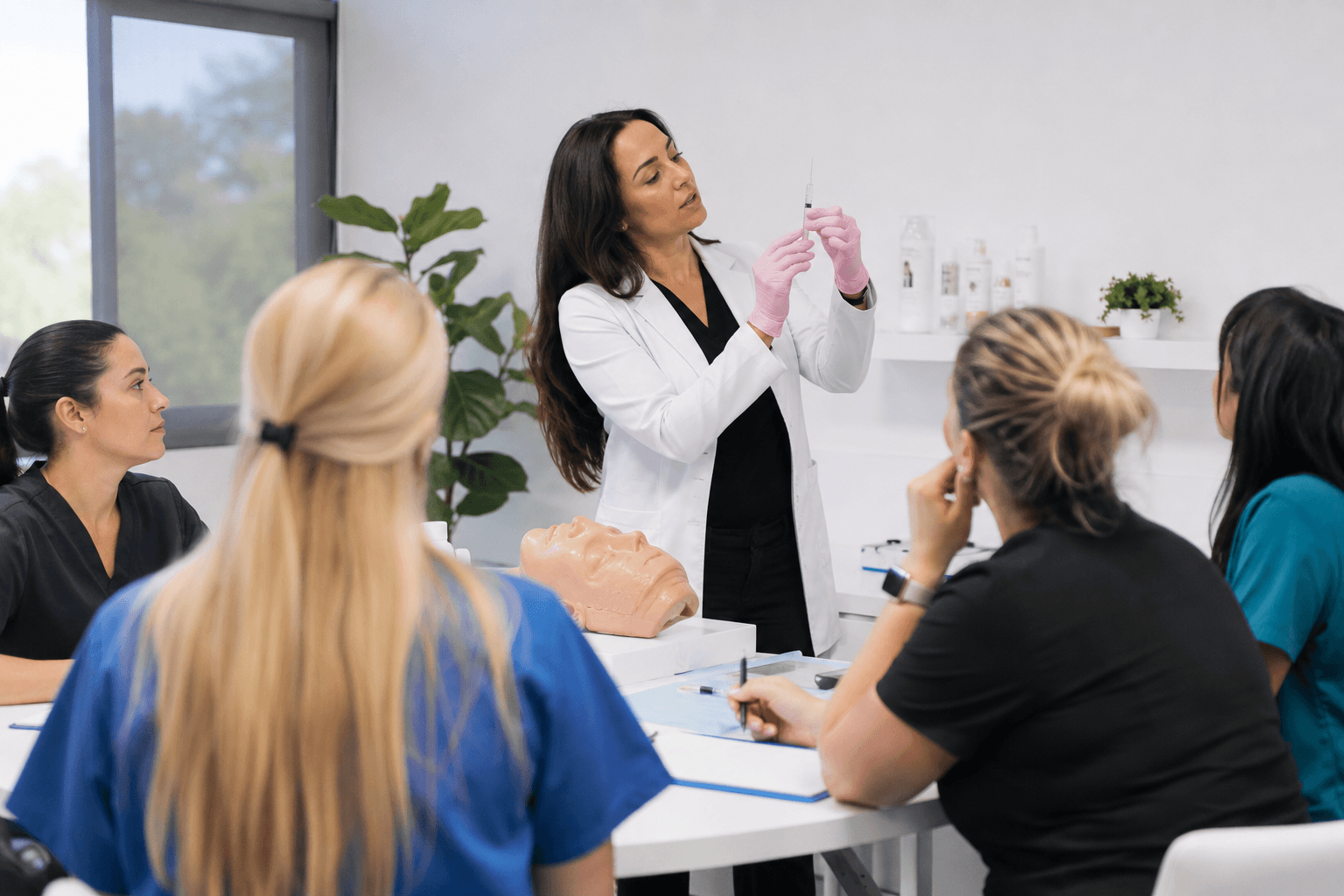
At My Elite Academy, education focuses on helping licensed medical professionals expand their clinical knowledge through hands-on learning, evidence-based instruction, and practical applications across aesthetic and wellness disciplines. While educational opportunities evolve over time, choosing the right training partner remains one of the most important decisions you can make.
Whether you're researching Hormone Therapy in Needham or comparing educational opportunities near Topsfield, Massachusetts, understanding what quality training should include can help you make an informed investment in your career.
Why Hormone Therapy Is Becoming More Relevant in Aesthetic Medicine
The definition of beauty has changed significantly over the past decade. While cosmetic procedures remain highly sought after, today's patients increasingly want treatments that help them feel healthier as well as look their best.
This evolution has naturally expanded conversations around hormone therapy, nutrition, regenerative medicine, and preventive wellness.
For many providers practicing in aesthetic medicine, understanding these concepts allows for more informed patient conversations, even when hormone management itself may involve collaboration with other healthcare professionals.
Educational programs help practitioners understand:
- The role hormones play in overall wellness
- Patient education best practices
- Clinical assessment fundamentals
- Safety considerations
- When referrals may be appropriate
Rather than replacing aesthetic treatments, hormone education can provide broader clinical knowledge that complements an existing practice.
The Connection Between Wellness and Aesthetics
Patients often seek cosmetic treatments because they want to look refreshed. However, appearance alone may not address concerns related to fatigue, poor sleep, reduced vitality, or age-related hormonal changes.
This growing awareness has encouraged many providers to explore continuing education beyond traditional injectables.
Understanding how wellness influences aesthetic outcomes allows practitioners to have more comprehensive conversations while remaining within their professional scope of practice.
That is one reason many experienced injectors pursue additional education throughout their careers.
Why Patients Are Asking More Questions
Modern patients are better informed than ever before.
Many research treatments online before scheduling consultations, and they frequently ask about:
- Hormone optimization
- Healthy aging
- Metabolic wellness
- Lifestyle medicine
- Preventive healthcare
Being knowledgeable about these topics allows providers to educate patients more effectively while maintaining evidence-based standards.
Who Should Consider Hormone Therapy Education?
Not every healthcare professional needs hormone training. However, for licensed providers interested in expanding their clinical understanding, additional education may offer valuable insight.
Many attendees include:
- Physicians
- Nurse practitioners
- Physician assistants
- Registered nurses practicing within their legal scope
- Other qualified licensed medical professionals
Those already involved in wellness or aesthetic practices often find that continuing education strengthens their ability to evaluate patient goals from a broader perspective.
Professionals Looking to Diversify Services
Healthcare continues to evolve.
Patients increasingly appreciate providers who understand multiple aspects of wellness rather than focusing on a single treatment category.
Many practitioners who complete Cosmetic Training or Cosmetic Injectable Training later explore wellness-focused education as part of their long-term professional development.
Diversifying clinical knowledge can help providers adapt to changing patient expectations while maintaining a commitment to safe, ethical care.
What a Quality Hormone Therapy Training Program Should Cover
Not all educational programs provide the same level of instruction.
When comparing options, look for training that emphasizes evidence-based education rather than quick certification.
A comprehensive curriculum should introduce concepts such as:
Patient Evaluation Principles
Quality education begins with understanding the importance of thorough patient assessment.
Students should learn how comprehensive medical histories, symptom discussions, and appropriate evaluations contribute to informed clinical decision-making.
Understanding these principles helps practitioners recognize the importance of individualized care.
Safety and Clinical Decision-Making
Patient safety should always come first.
Educational programs should emphasize:
- Appropriate patient selection
- Contraindications
- Monitoring considerations
- Documentation
- Ethical practice standards
Developing sound clinical judgment is just as important as learning technical skills.
Treatment Planning Fundamentals
Each patient presents unique health concerns and goals.
Training should introduce concepts related to individualized treatment planning, ongoing evaluation, and evidence-based decision making while reinforcing the importance of practicing within applicable laws, regulations, and professional scope.
Follow-Up Care and Long-Term Management
Hormone-related care often requires ongoing monitoring rather than one-time interventions.
Understanding why follow-up matters helps practitioners appreciate the importance of continuity of care and long-term patient relationships.
Educational programs should discuss how consistent monitoring supports patient safety and informed clinical decisions.
Why Hands-On Learning Matters
Healthcare education is most effective when theory is paired with practical experience.
Interactive instruction provides opportunities to:
- Observe real clinical workflows
- Ask instructors detailed questions
- Review patient scenarios
- Build confidence through guided learning
- Better understand clinical decision-making
Hands-on experiences often help learners retain information more effectively than lecture-based education alone.
For many aesthetic professionals, practical instruction becomes one of the most valuable aspects of continuing education.
Choosing the Right Training Academy
Educational quality varies significantly between programs.
When researching providers, consider factors beyond price alone.
Experienced Instructors
Learning from experienced clinicians allows students to benefit from real-world knowledge developed through years of patient care.
Experienced educators often provide practical insights that cannot be found in textbooks alone.
.png)

