A patient mentions that her skin feels thinner than it used to. Another says intimacy has become uncomfortable in ways it never was before. A third notices she is losing hair at the temples despite no change in her routine. On the surface these seem like unrelated complaints, but for providers trained to look deeper, they often share a common thread tied to shifting hormone levels, particularly during perimenopause and menopause.
Understanding how hormone therapy and hormonal aging intersect with aesthetic and wellness concerns is becoming an increasingly important part of running a well rounded aesthetic practice. This article explores the symptoms tied to hormonal change, why so many patients go undiagnosed, and how providers in Topsfield, Massachusetts can build the clinical knowledge to guide these conversations responsibly.
What Symptoms Are Actually Tied to Hormonal Change?
Estrogen decline in particular has a wide reaching effect on the body, well beyond hot flashes and mood changes that tend to dominate the conversation. According to the North American Menopause Society, declining estrogen can contribute to:
- Thinner, less elastic skin and a reduction in collagen production
- Vaginal dryness and discomfort during intimacy
- Changes in hair thickness and texture
- Shifts in body composition and fat distribution
- Reduced libido and changes in sexual response
Many patients experiencing these changes do not immediately connect them to hormonal shifts, which means they often bring these concerns to an aesthetic provider without realizing the underlying cause. A provider who understands this connection is far better positioned to have a genuinely helpful conversation rather than treating each symptom in isolation.
Why Does This Matter for Aesthetic Providers Specifically?
Aesthetic and wellness providers are often the first point of contact for patients noticing these changes, sometimes even before a primary care visit. The Endocrine Society has published extensive clinical resources on the role of hormone therapy in managing menopausal symptoms, and providers who are familiar with this research are better equipped to recognize when a patient's concerns may benefit from further evaluation or referral.
This does not mean every aesthetic provider needs to prescribe hormone therapy directly. It means understanding the physiology well enough to guide a thoughtful, informed conversation and know when a referral is the right next step.
How Does This Connect to Female Sexual Wellness?
One of the clearest intersections between hormonal change and aesthetic practice shows up in conversations around sexual wellness. Vaginal dryness, discomfort, and reduced sensation are frequently tied to hormonal shifts, and patients bringing up these concerns need a provider who can hold that conversation with clinical grounding rather than discomfort or oversimplification.
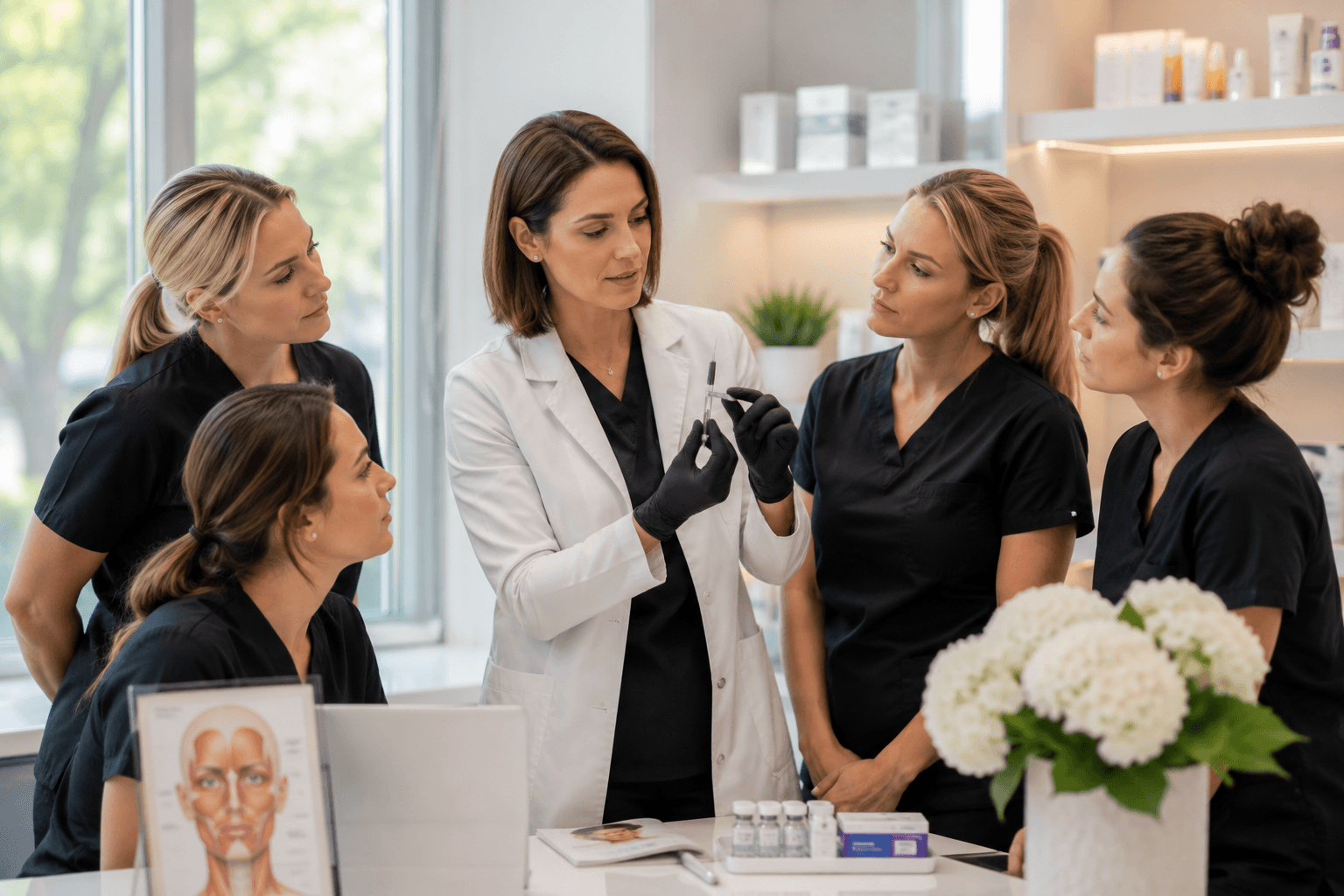
This is a central focus of Elite Academy's The Art of the Female Sexual Wellness Consultation, a training program built by Dr. Joelle Lieman, a board certified OB/GYN with more than ten years of experience in both clinical practice and education. The course walks providers through how to recognize hormonally driven symptoms and guide patients toward appropriate next steps, whether that involves further medical evaluation or aesthetic and wellness focused treatment options within their scope of practice.
What Treatment Conversations Come Up Most Often?
Providers trained in this space often find themselves discussing options like the O-Shot procedure, a PRP based approach that some providers incorporate into their intimate wellness offerings. Elite Academy's online course covering the O-Shot procedure in detail gives providers a deeper look at how this treatment fits into a broader wellness conversation.
How Should Providers Approach These Conversations?
The goal is never to position aesthetic treatments as a replacement for proper hormonal evaluation or medical hormone therapy. Instead, well trained providers learn to hold both truths at once, recognizing when a symptom may warrant a referral for hormone therapy evaluation while also understanding where aesthetic and wellness treatments can genuinely help in the meantime.
Building the Right Vocabulary
Patients respond well to providers who can explain, in plain language, why a symptom might be connected to hormonal change without sounding like they are reading from a textbook. This kind of communication skill is something Elite Academy builds directly into its wellness consultation training through real case based practice.
Knowing the Limits of Your Scope
Every provider's ability to discuss or manage hormone related concerns depends on their license and training. Part of responsible practice is knowing exactly where that line falls and having a reliable referral network in place for patients who need more specialized care.
Where Can Topsfield Providers Build This Knowledge?
Elite Academy's Topsfield location offers small group, hands on training designed for physicians, nurse practitioners, physician assistants, and registered nurses who want to deepen their clinical understanding of these intersecting concerns. Providers often combine the wellness consultation course with the academy's Elite Mentorship Program for a more comprehensive foundation in both the clinical and business sides of building a wellness focused practice.
Those newer to this area of practice sometimes start with the Basic Shadowship program to observe real patient consultations before pursuing a full certification path.
How Does This Knowledge Translate Into Better Patient Outcomes?
Patients who feel genuinely understood, rather than rushed through a symptom checklist, are far more likely to follow through on recommendations and return for ongoing care. Providers who can speak knowledgeably about the connection between hormonal change and the symptoms patients are experiencing build a level of trust that is difficult to manufacture any other way.
A Not So Hormonal Conclusion
The body rarely sends a single, isolated signal. Skin changes, shifts in libido, and hair thinning are often chapters of the same hormonal story, and providers who understand that story are simply better equipped to help. Building this kind of clinical fluency takes intentional training, not just clinical years on the job.
If you want to deepen your understanding of this intersection, explore the wellness consultation course or contact Elite Academy about upcoming Topsfield training sessions. This article was updated in August 2026 to reflect current clinical guidance and course offerings.
Frequently Asked Questions
Does Elite Academy provide hormone therapy directly to patients? Elite Academy is a training institution for licensed aesthetic professionals. Its programs build clinical knowledge and consultation skills related to hormonal aging and wellness rather than providing direct patient care.
Can aesthetic providers prescribe hormone therapy? This depends entirely on a provider's license, training, and state scope of practice regulations. Providers should always practice within their licensed scope and refer out when appropriate.
How does hormonal change affect skin specifically? Declining estrogen levels are linked to reduced collagen production, which can lead to thinner, less elastic skin over time, according to research published by the North American Menopause Society.
Is the wellness consultation course only about sexual health? The course centers on female sexual wellness consultations but also builds broader skills in recognizing hormonally driven symptoms and holding sensitive clinical conversations.
Can this training be combined with other Elite Academy programs? Yes. Many providers pair this training with the Elite Mentorship Program or explore O-Shot procedure training to build a more complete wellness focused skill set.
.png)