Ask ten patients why they want a chemical peel and you will likely hear ten different reasons. Some are chasing smoother texture. Others want to fade sun spots that have crept in over the years. Some are dealing with stubborn acne scarring that has not budged despite trying every serum on the market. What they all have in common is that they are trusting their provider to know exactly how deep to go, which acid to choose, and how to keep their skin safe throughout the process.
That trust is a lot to carry without proper training, which is why chemical peel technique remains one of the more misunderstood corners of aesthetic medicine. This article breaks down the skin concerns that lead patients to ask for peels, the risks of undertrained application, and how providers in Topsfield, Massachusetts can build real competency in this space as part of a broader aesthetic skill set.
What Skin Conditions Actually Call for a Chemical Peel?
Chemical peels are not a one size fits all treatment, and understanding which concern calls for which type of peel is where real clinical judgment comes in. Common concerns include:
- Uneven skin tone and sun damage related discoloration
- Fine lines and early signs of aging
- Mild to moderate acne scarring
- Rough texture and clogged pores
- Melasma and other forms of hyperpigmentation
The American Academy of Dermatology notes that peels vary widely in strength, from light peels using mild acids to deeper treatments that require significant downtime and a much higher level of clinical skill to administer safely. Matching the right depth of peel to the right skin concern is one of the most important judgment calls a provider makes.
Why Do So Many Peel Complications Come Down to Training Gaps?
Improperly applied peels can lead to burns, scarring, uneven pigmentation, and prolonged healing times, particularly on patients with darker skin tones who are more prone to post inflammatory hyperpigmentation if the peel is too aggressive. The Skin of Color Society has published extensive guidance on how peel selection and technique need to be adjusted for different skin types, underscoring just how much nuance is involved.
Providers who have only read about peels, rather than practiced under supervision, are far more likely to run into these issues. Confidence without technique is one of the more common and preventable sources of patient complaints in aesthetic medicine.
What Should a Provider Actually Know Before Offering Peels?
A responsible approach to chemical peels goes well beyond memorizing which acid targets which concern.
Understanding Skin Typing and Contraindications
Every patient's skin reacts differently, and factors like recent sun exposure, use of retinoids, and underlying skin conditions can all affect how a peel should be approached. Skipping this evaluation step is one of the most common mistakes among undertrained providers.
Layering Technique and Timing
Knowing how many layers to apply and for how long is where clinical experience really shows. This is a skill that is difficult to learn from a manual alone and benefits enormously from hands on repetition under an experienced provider's guidance.
Post Treatment Care and Patient Communication
Patients need clear guidance on what to expect during recovery, from mild flaking to more noticeable peeling depending on the depth of treatment. Providers who communicate this well see far higher patient satisfaction, even when the visible recovery process is more intense than expected.
How Does Elite Academy Approach Skill Building Like This?
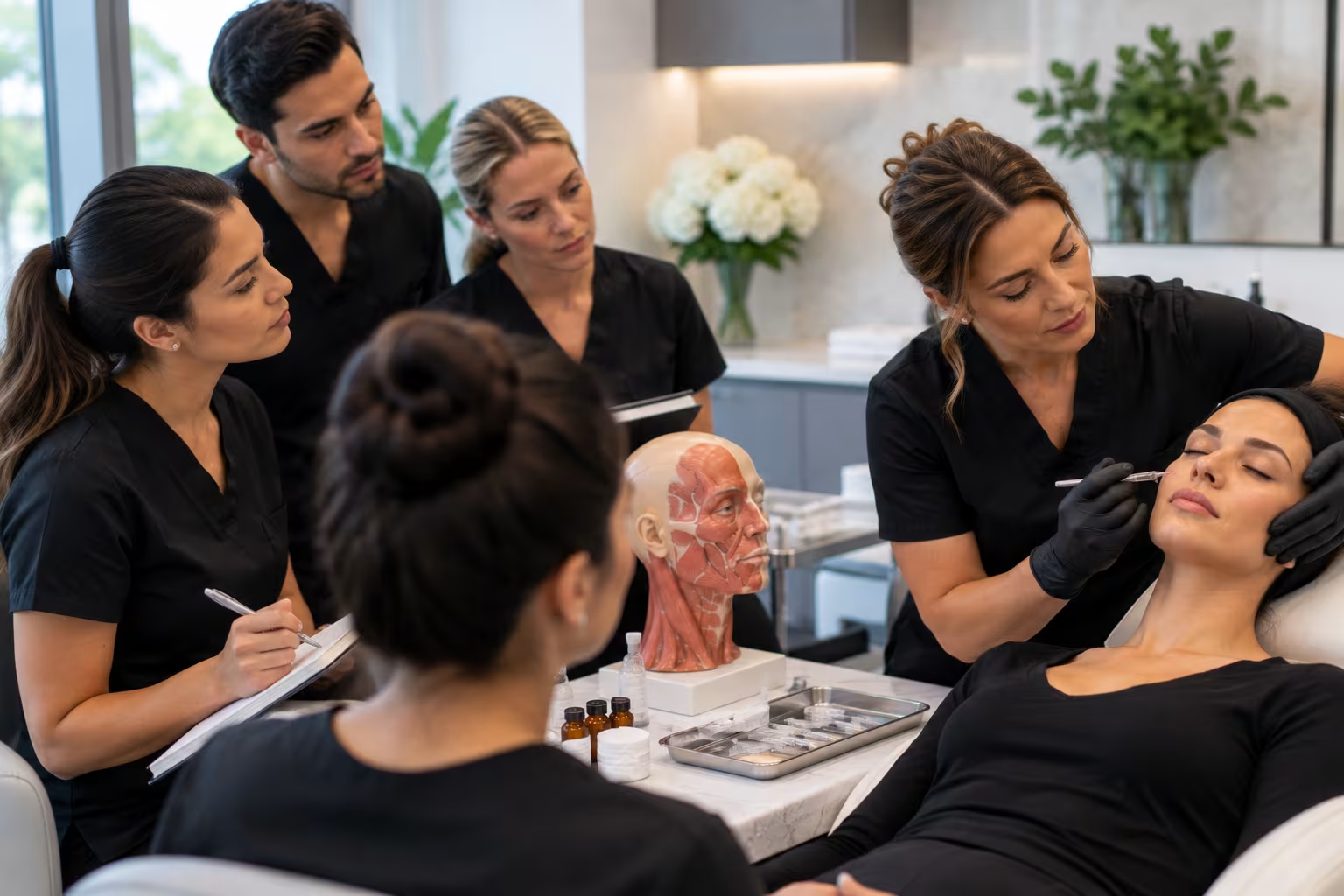
While chemical peels are not a standalone certification course at Elite Academy, the academy's broader hands on training philosophy is built around exactly this kind of technique refinement. Programs like the Basic Shadowship give providers an immersive, half day observational experience inside a working aesthetic practice, where they can see how experienced clinicians evaluate skin, make treatment decisions, and manage the full patient journey from consultation to results.
For providers who want a deeper, longer term path to building well rounded aesthetic skills, including the clinical judgment that informs decisions like peel selection, the Elite Mentorship Program offers three months of combined clinical and business mentorship under Dr. Joelle Lieman, a board certified OB/GYN with more than a decade of experience in aesthetic medicine.
Who Benefits Most From This Kind of Training?
Providers earlier in their aesthetic careers, or those transitioning from a different specialty into cosmetic medicine, often benefit the most from structured, hands on exposure like this. Watching real patient consultations and treatment decisions unfold in a working Topsfield practice provides context that no textbook can fully replicate.
How Does Building This Skill Set Support a Growing Practice?
Patients researching chemical peel treatments are often comparing providers based on before and after results and reviews, which means consistency matters enormously. A provider who has built genuine technique through observation and mentorship, rather than trial and error on paying patients, tends to see stronger outcomes and fewer complications over time.
This kind of skill building also tends to open the door to related services. Providers often pair a stronger foundation in skin evaluation with training in other Elite Academy programs, such as Sculptra: Beyond the Label, to offer patients a more complete approach to skin health and rejuvenation.
A Peel Back the Layers Kind of Conclusion
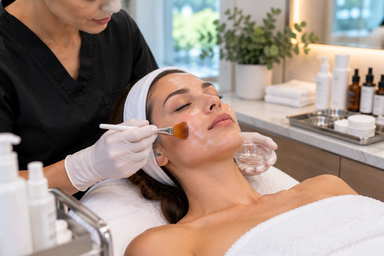
Chemical peels look simple from the outside, a bit of solution, a timer, and a rinse. In reality, the decisions happening before, during, and after that process are where real expertise lives. Providers who invest in observing and learning from experienced clinicians build the kind of judgment that keeps patients safe and coming back.
If you are ready to build that foundation, learn more about the Basic Shadowship experience or contact Elite Academy to ask about training opportunities in Topsfield. This article was updated in August 2026 to reflect current program offerings.
Frequently Asked Questions
Does Elite Academy offer a standalone chemical peel certification? Elite Academy's training is built around hands on programs like Basic Shadowship and the Elite Mentorship Program, which develop the broader clinical skin evaluation skills that inform safe peel practices, rather than a single standalone peel certificate.
Are chemical peels safe for all skin tones? Peels can be safely used across skin tones when the type and depth are properly matched to the patient's skin, which is why proper training and clinical judgment matter so much.
How long does it take to feel confident performing peels? Confidence builds with repetition and mentorship. Programs like the Elite Mentorship Program are designed to accelerate that learning curve through direct, hands on guidance.
What is the difference between a light peel and a deep peel? Light peels use milder acids with minimal downtime, while deeper peels penetrate further into the skin and require more advanced technique along with a longer recovery period.
Can this training be combined with other Elite Academy programs? Yes. Many providers pair foundational skin evaluation training with courses like Sculptra: Beyond the Label for a more complete rejuvenation skill set.
.png)