There is a particular feeling many aesthetic providers describe right before they decide to pursue advanced training. It shows up as a patient asking for a treatment that is just outside their current skill set. It shows up as a slow, nagging sense that their service menu has not evolved in years while their competitors down the road keep adding new offerings. It shows up as hesitation in a consultation room, when a provider knows what a patient needs but has not yet built the confidence to deliver it.
These moments are worth paying attention to. They are usually the clearest signal that it is time to pursue structured cosmetic training rather than continuing to learn piecemeal through trial and error. This article walks through the signs that point to this decision, what meaningful cosmetic training actually looks like, and how providers in Topsfield, Massachusetts are building this next chapter of their careers through Elite Academy.
What Are the Signs a Provider Needs More Cosmetic Training?
Recognizing the right moment to invest in training is not always obvious from the inside. A few patterns tend to show up consistently among providers who eventually pursue advanced education.
A Stalled or Shrinking Service Menu
If a practice has been offering the same handful of treatments for years while patient interest shifts toward newer techniques, that gap tends to show up in revenue and patient retention long before it shows up anywhere else.
Referring Out Procedures You Could Be Learning
Every time a provider refers a patient elsewhere for a treatment adjacent to their current skill set, that is a small but meaningful signal. Referring out is sometimes the right call, but when it happens repeatedly for the same type of request, it may point to an opportunity worth pursuing directly.
Low Confidence During Consultations
Patients pick up on hesitation. A provider who feels unsure about a technique often unconsciously steers the conversation away from it, even when it might be the ideal solution for that patient's concern.
Career Plateau After Years in Practice
Many providers reach a point where their day to day work has become repetitive, and pursuing a defined, structured training path is what reignites engagement with the work.
What Does Meaningful Cosmetic Training Actually Involve?
Not all training is created equal. According to guidance from the American Med Spa Association, inconsistent or insufficient training remains one of the leading contributors to both suboptimal patient outcomes and safety concerns in the aesthetic industry. Meaningful training generally includes a few consistent elements.
Hands On Practice, Not Just Theory
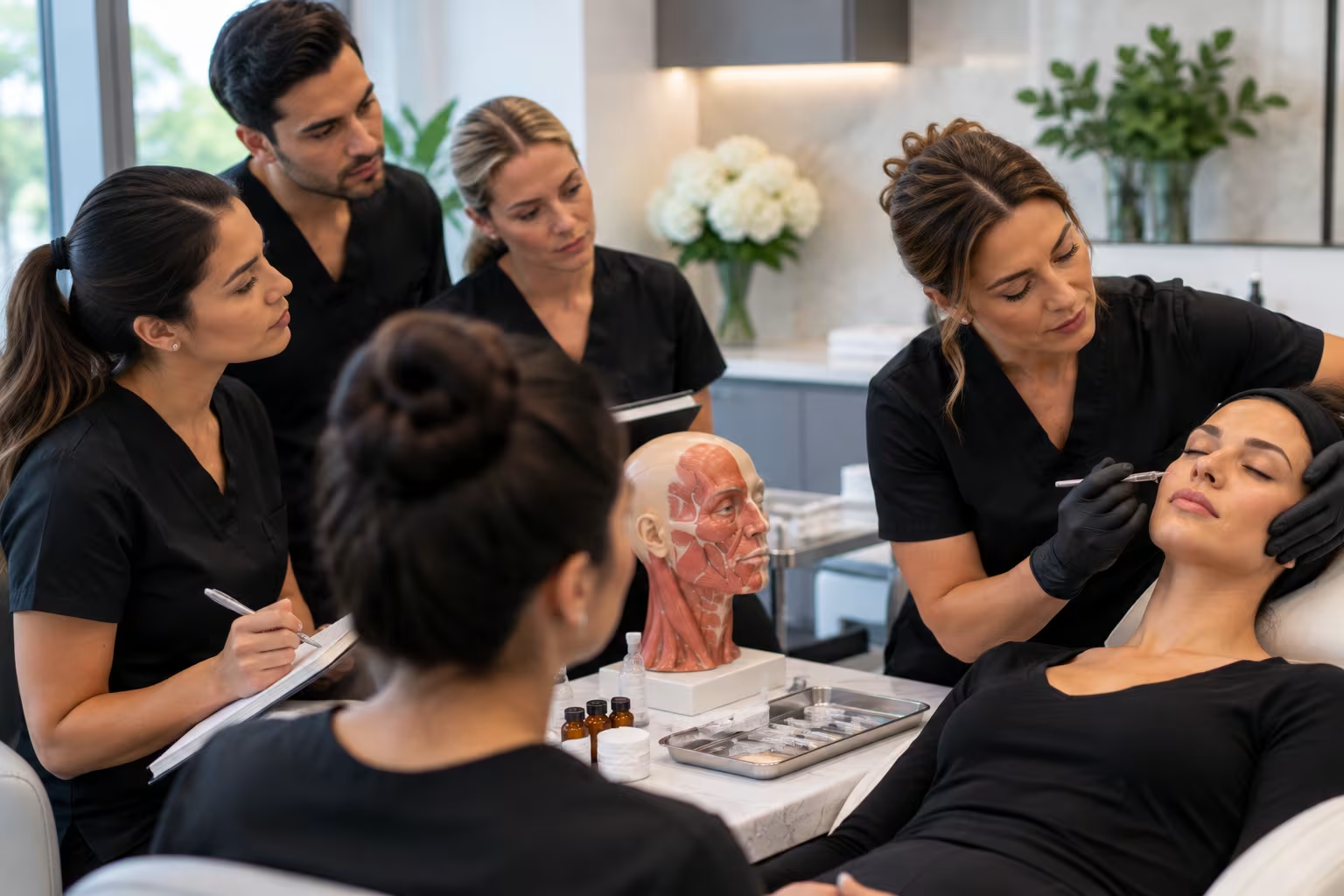
Reading about a technique and performing it under supervision are entirely different experiences. Programs that combine didactic learning with real, supervised hands on practice tend to produce far more confident, competent providers.
Small Group or One on One Mentorship
Training in a large lecture hall setting rarely translates into procedural confidence. Small cohort sizes allow for individualized feedback, which is often the difference between a provider who learns a technique and one who truly masters it.
A Business and Practice Growth Component
Clinical skill alone does not guarantee a thriving practice. The strongest training programs also address how to introduce new services, price them appropriately, and market them to existing and prospective patients.
How Does Elite Academy Structure Its Cosmetic Training Programs?
Elite Academy, based in Topsfield and Needham, Massachusetts, was built by Dr. Joelle Lieman, a board certified OB/GYN with more than a decade of experience combining clinical practice with education. Her academy offers a range of pathways depending on where a provider is in their career.
Basic Shadowship for a First Step
The Basic Shadowship program offers an immersive half day observational experience for providers who want to see real consultations and treatments in action before committing to a full training path. It is often the entry point for providers exploring whether a full transition into aesthetic medicine is the right move.
Focused Technique Training
For providers ready to build a specific clinical skill, Elite Academy offers hands on courses like Sculptra: Beyond the Label for facial and body volume restoration and the Vampire Series training for PRP based procedures.
The Elite Mentorship Program for Complete Growth
Providers looking for a more comprehensive transformation often enroll in the Elite Mentorship Program, a three month program that pairs clinical skill development with practical guidance on running and growing a successful aesthetic practice. This program is designed for providers who want more than a single technique. It is built for those ready to reposition their entire practice around aesthetic medicine.
Who Is a Good Candidate for Advanced Cosmetic Training?
This path tends to resonate most with physicians, nurse practitioners, physician assistants, and registered nurses who already carry a strong clinical foundation but want to specialize further, whether that means transitioning from a different specialty entirely or expanding an existing aesthetic practice. Providers who feel a mismatch between their current skill set and their patients' evolving requests are often the best candidates to start exploring these programs.
What Should Providers Look For in a Training Provider?
Choosing where to train matters as much as choosing what to train in. Providers should look for programs led by clinicians with genuine, ongoing patient care experience rather than instructors who teach exclusively without an active practice background. Dr. Lieman's continued clinical involvement is part of what shapes the practical, real world approach woven throughout Elite Academy's programs.
What Does Life Look Like After Completing Training?
Providers who complete structured cosmetic training often describe a noticeable shift in how consultations feel. Instead of steering patients away from certain requests, they can confidently walk through options, set expectations, and deliver results that build long term trust and referrals. That shift tends to compound over time, turning a single new skill into a meaningfully expanded, more resilient practice.
The Training Montage Conclusion You Didn't Know You Needed
Every provider who now feels confident offering a technique they once avoided started exactly where you might be standing now, noticing the signs and wondering if it is worth the investment. It usually is, especially when the training comes with real hands on practice and mentorship rather than a certificate earned from a weekend seminar.
If any of these signs sound familiar, explore Elite Academy's full course offerings or contact the academy to talk through the right training path for your practice in Topsfield or the surrounding Massachusetts area. This article was updated in August 2026 to reflect current program details.
Frequently Asked Questions
How do I know if I need a full course or just a shadowship experience? If you are still deciding whether aesthetic medicine is the right direction, the Basic Shadowship program is a lower commitment way to observe real practice before enrolling in a full course.
Is cosmetic training only for providers new to aesthetics? No. Many experienced providers pursue additional cosmetic training to expand their service menu or refine techniques they have not had formal instruction in.
What credentials are required to enroll in Elite Academy's programs? Programs are designed for licensed physicians, nurse practitioners, physician assistants, and registered nurses. Specific prerequisites can vary by course.
How long does the Elite Mentorship Program take to complete? The Elite Mentorship Program runs over three months, combining clinical training with business and practice growth guidance.
Can I combine multiple Elite Academy programs? Yes. Many providers start with Basic Shadowship or a single technique course and later enroll in the Elite Mentorship Program for a more comprehensive path.
.png)